

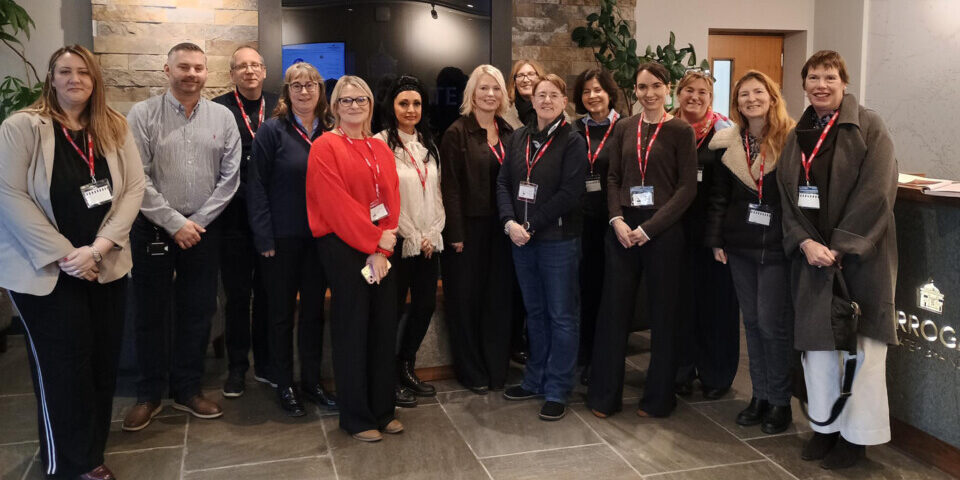
Manufacturing Skills Roundtable brings employers and skills partners together in York & North Yorkshire
Employers, training providers and regional partners came together today for the York & North Yorkshire Manufacturing Skills Roundtable, hosted by Harrogate Spring Water and organised in conjunction with the York & North Yorkshire Local Skills Improvement Plan (LSIP), led by West and North Yorkshire Chamber of Commerce.
The session provided an opportunity to hear directly from manufacturers about the workforce challenges affecting their businesses, discuss the skills needed to support future growth, and explore the support available to employers through local training providers and York & North Yorkshire Combined Authority.
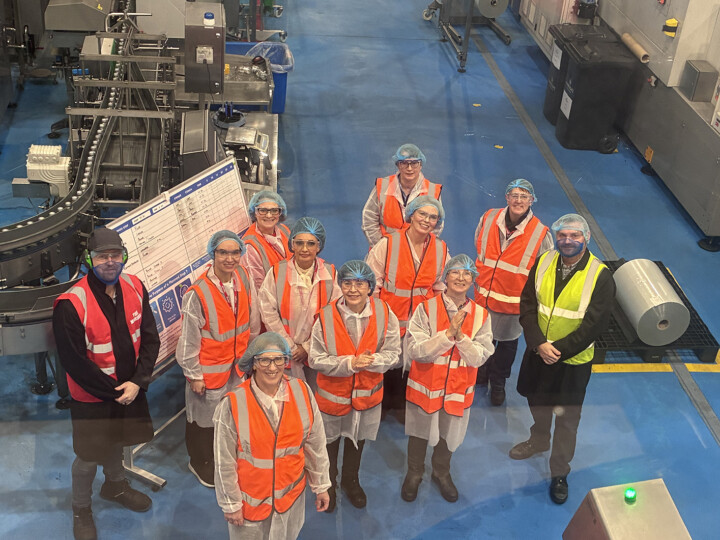
Seeing manufacturing in practice
Hosting the roundtable at Harrogate Spring Water provided an appropriate setting for a discussion about the future manufacturing workforce. The company is investing in growth and modern manufacturing while placing a strong emphasis on sustainability.
Harrogate Spring Water employ over 90 staff at their attractive Harrogate location and have planted over 3000 trees in the local area. They hope to extend production and create more jobs as demand for their product continues to grow. Attendees were able to enjoy a tour of their production facilities.
Ian Swan, Operations Director at Harrogate Spring Water provided some great practical examples of issues discussed at the round table, including the need to build engineering capability, plan for succession and attract new entrants into modern manufacturing. Harrogate Spring Water has identified opportunities for apprenticeships, engineering and high-tech manufacturing roles as the business develops.
Sustainability is also embedded within its operations. Harrogate Spring Water reports that its PET bottles use more than 51% UK-sourced post-consumer recycled material, and the company holds ISO 14001:2015 environmental management certification and B Corp certification.
What the LSIP evidence tells us
Manufacturing and engineering is one of the priority sectors within the York & North Yorkshire LSIP 2026–2029, reflecting its contribution to productivity, high-value employment and the region’s future growth. The Local Growth Plan also identifies manufacturing, engineering and rail innovation as areas of competitive advantage.
The LSIP identifies a number of significant workforce pressures:
- an ageing workforce and substantial replacement demand;
- shortages in machining, fabrication, welding, maintenance, quality and inspection;
- gaps in higher-level technical, digital and automation capability;
- weak progression into supervisory, professional and project management roles; and
Engineering technicians, welding trades, design and development engineers, engineering professionals, software developers and project managers are among the occupations highlighted within the LSIP evidence.
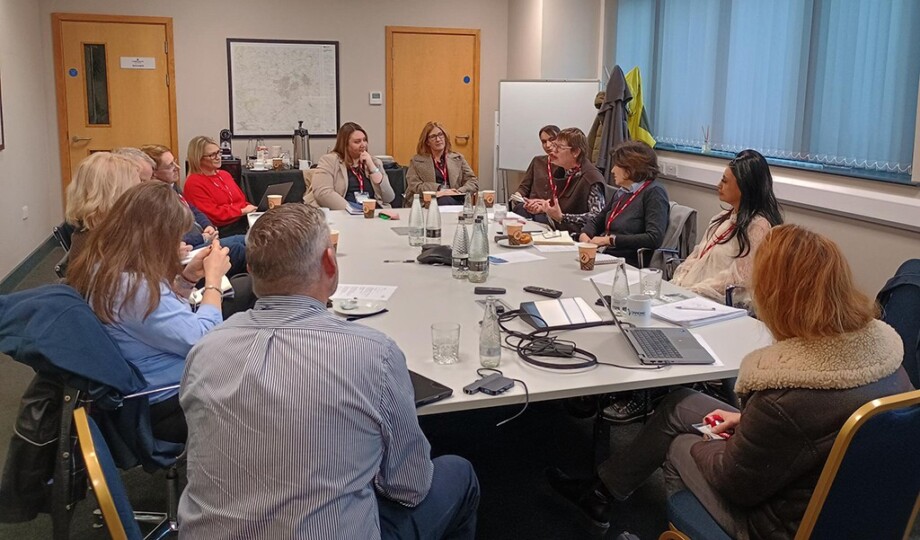
Employers highlight recruitment and progression challenges
The roundtable discussion reinforced many of these findings.
Employers spoke particularly strongly about the ageing workforce and succession challenge, with businesses needing to develop the next generation of engineers, technicians and skilled manufacturing employees.
Apprenticeships were viewed as important, but employers highlighted practical barriers including recruitment costs, administration and paperwork, difficulties navigating the system and identifying the right training route. Participants also emphasised that businesses need to be proactive if they want apprenticeships to form part of their future workforce strategy.
A recurring concern was the relationship between schools, colleges and employers. Attendees felt that young people need greater exposure to practical and technical skills, manufacturing workplaces and the breadth of careers available in the sector. Employers discussed workplace visits, ambassador programmes, careers activity and stronger college-industry relationships as ways of addressing this.
Transport was also raised as a barrier, particularly where young people need to travel to training or employment across a large rural geography.
Developing and retaining the existing workforce
Discussion was not limited to recruiting young people. Several attendees emphasised that addressing the manufacturing skills gap also requires investment in the existing workforce.
Participants highlighted opportunities to train and progress existing employees, including production and support staff, rather than relying exclusively on external recruitment. Better communication of career pathways, clearer succession planning and investment in management and supervisory capability were seen as important elements of workforce retention.
This reflects the wider LSIP priorities around progression from Levels 1–8, stronger leadership and management capability, digital skills and a more responsive employer-led skills system.
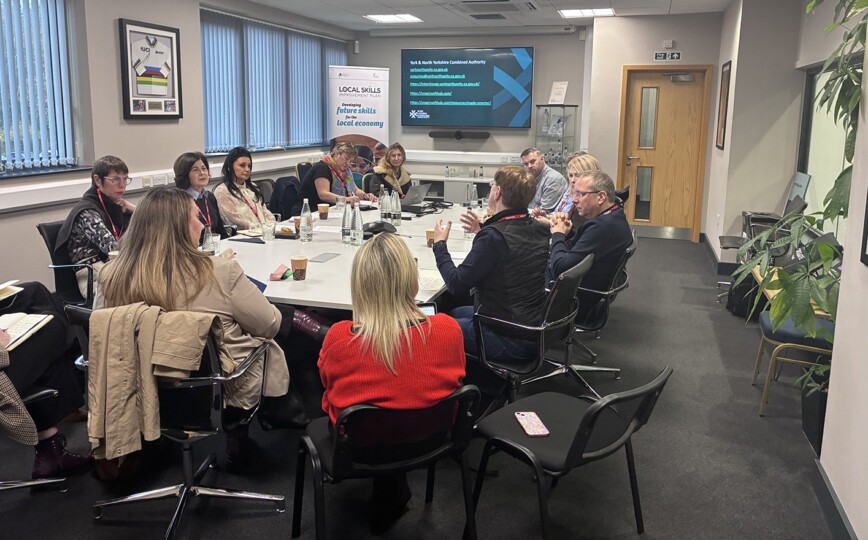
Support available to employers
Louise Wood outlined the workforce and business support available through York & North Yorkshire Combined Authority.
The Work & Skills Interchange provides employers with a single gateway to recruitment, workforce planning, skills, training, apprenticeships, employee wellbeing and retention support.
Skills Bootcamps provide flexible programmes of up to 16 weeks. For eligible provision, training can be fully funded for independent learners and self-employed people, 90% funded for SMEs and 70% funded for larger employers.
Other support discussed included Connect to Work, the Economic Inactivity Trailblazer and the Careers Hub Collaboration Portal, which provides a route for businesses to work with schools and colleges through workplace visits, careers events and other real-world experiences.
A new Local Apprenticeship Brokerage Service, expected to launch in April 2027, will provide dedicated support to employers wanting to recruit, train and retain apprentices, with a particular focus on opportunities for 16–24-year-olds and building sustainable technical and engineering talent pipelines.
Turning employer evidence into action
A strong message from the session was that there is no single solution to the manufacturing skills challenge.
Employers need easier access to training and apprenticeships, but stronger links between education and industry are equally important. Young people need greater exposure to manufacturing careers and practical skills, while businesses also need to invest in the development and progression of their existing workforce.
The issues raised through the roundtable will feed into ongoing delivery and review of the York & North Yorkshire LSIP, helping to ensure that employer experience continues to influence skills provision, investment and progression pathways.
The Chamber will continue working with employers, colleges, training providers, Local Authorities and York & North Yorkshire Combined Authority to turn this intelligence into practical action and build the skilled workforce required to support manufacturing growth across the region.